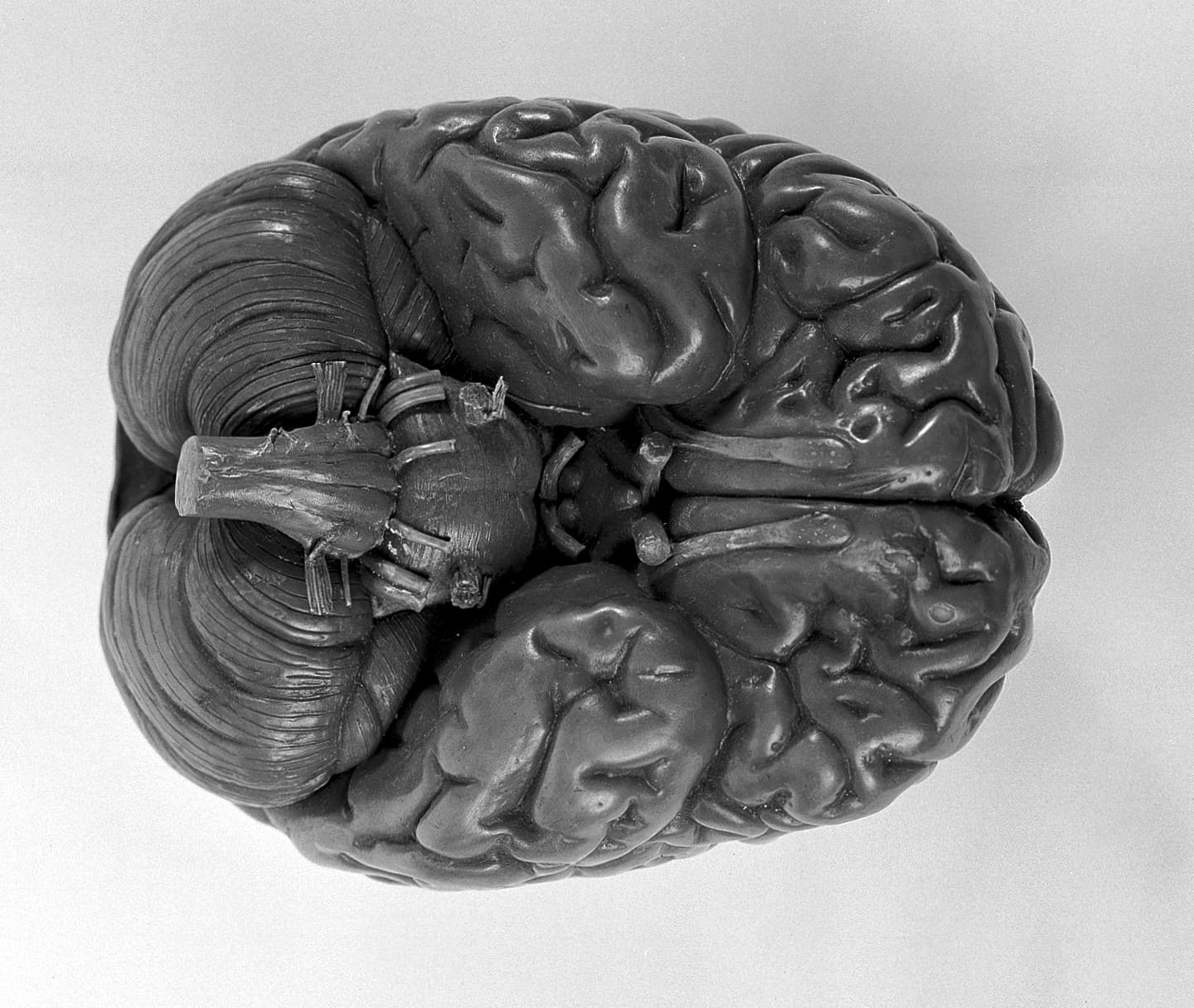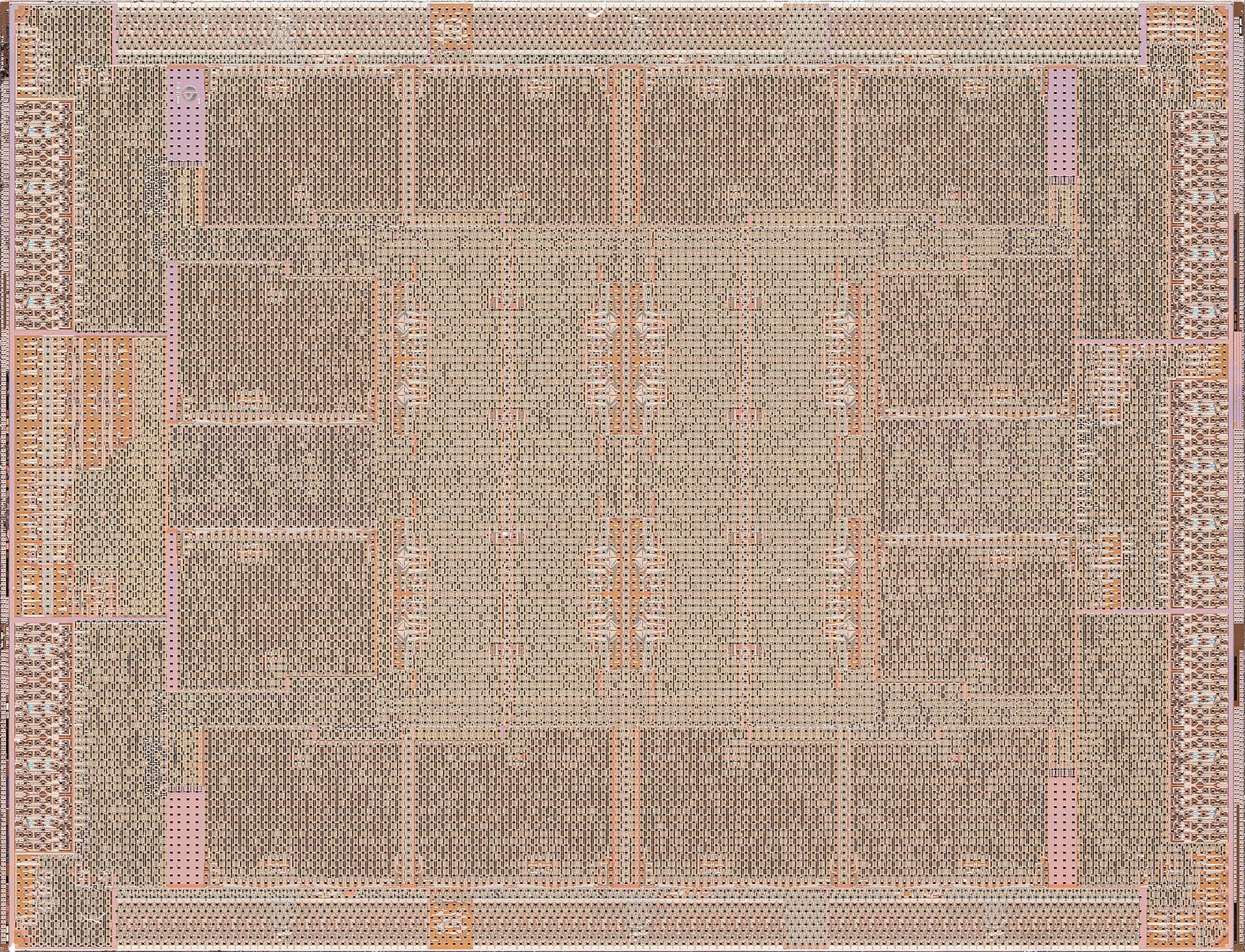
Ask a modern chatbot how it feels and it may give a thoughtful, even moving, answer. That raises an old question in a new form: could a machine ever have experiences of its own — or only describe them?
Intelligence is not the same as consciousness
Intelligence is about what a system can do: solve problems, use language, plan. Consciousness is about whether there is something it is like to be that system — whether it has experiences at all. A calculator outperforms us at arithmetic without anyone believing it feels anything.
Tests that tell us less than we hoped
The Turing test
In 1950 Alan Turing proposed replacing the question "Can machines think?" with a practical game: could a machine's conversation be told apart from a human's? Passing such a test shows convincing behaviour — but critics point out that behaviour alone may not reveal inner experience.
The Chinese Room
In 1980 the philosopher John Searle described a person who follows rules to answer questions in Chinese without understanding a word. His argument: running the right program might produce the right answers without any understanding behind them. The argument remains hotly debated.
What would we need to know?
Scientific theories of consciousness disagree about what matters. Some focus on how information is broadcast across a system; others on how integrated it is; others on the biology of living brains. Depending on which is right, today's AI systems might lack something essential — or the question might not have a clear yes-or-no answer.